Stop Heating the Air: Why Aluminum Reflectors Actually Matter
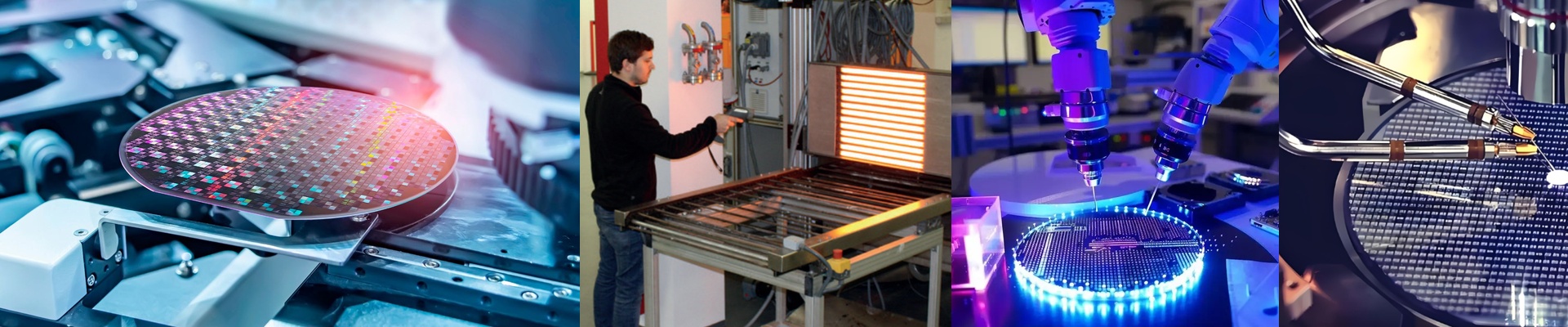
If you’re still relying on hot air circulation, you’re basically waiting around for convection to do the heavy lifting. It heats the air, the air eventually finds the part, and the part finally gets warm. In semiconductor processing, that lag is a killer. It wastes time we just don’t have. The fix? Ditch the slow air loops and go with infrared (IR) systems. But the secret sauce isn’t just the lamp—it’s the aluminum reflectors.
Getting the Heat Where it Actually Goes
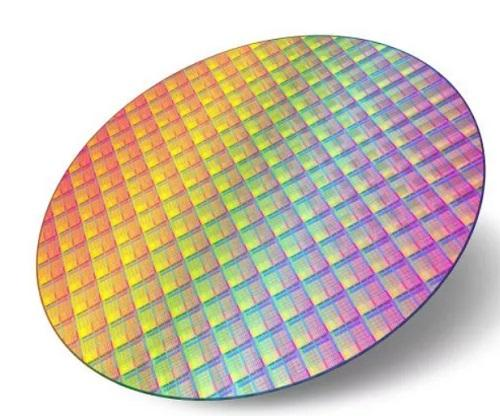
Think about a bare IR lamp. It’s inefficient. Half the energy just shoots backward, heating up your machine chassis instead of your product. That’s just wasted power. We use precision-machined aluminum to flip that script. By curving the surface, we can grab those photons and bounce them forward in a tight, concentrated beam. It’s a night-and-day difference. You stop fighting with the air and start hitting the wafer or substrate directly. The ramp-up is fast. Really fast.
Why Aluminum?
We stick with aluminum for two big reasons: it reflects IR light like a mirror, and it pulls heat away quickly. These reflectors actually double as a heat sink for the back end of the lamp. That keeps your sockets from frying during those long production runs. One thing to watch out for: the finish. If the surface is rough, the light scatters everywhere. We keep it polished or coated so the energy stays on target.
The Real-World Trade-offs
Switching to IR reflectors can seriously slash your cycle times. In most curing or drying stages, it’s a pretty easy swap. But here’s the catch. IR is directional. If your part has deep pockets or a weird 3D shape, you’re going to run into “cold spots” where the beam just can’t reach. You can’t just slap the hardware in and walk away. You have to really look at the footprint of your part and tweak the lamp spacing and angles. And be careful not to overdo it. If you concentrate the beam too much, you’ll scorch the substrate. It’s all about finding that sweet spot between the wattage and the distance.