

Stop Waiting on Your Oven: The Case for Ozone-Free IR Heating
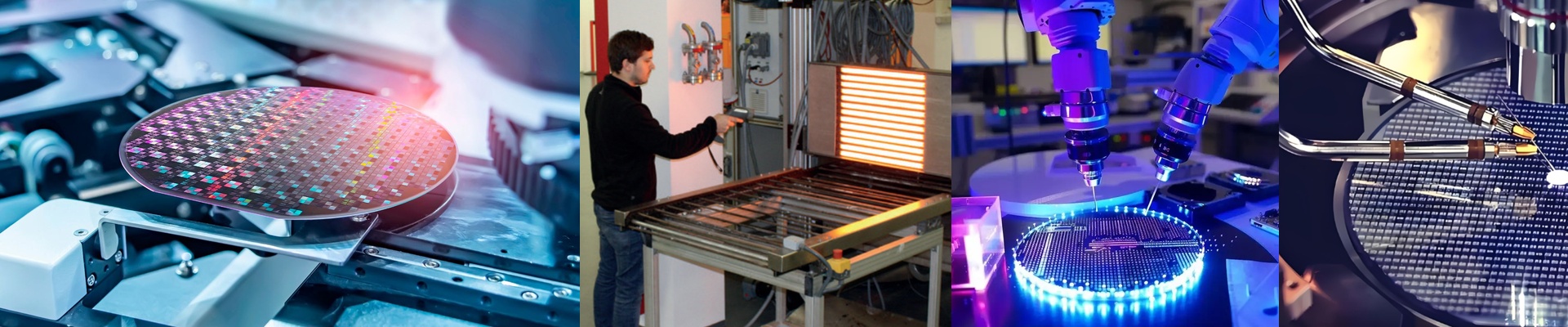
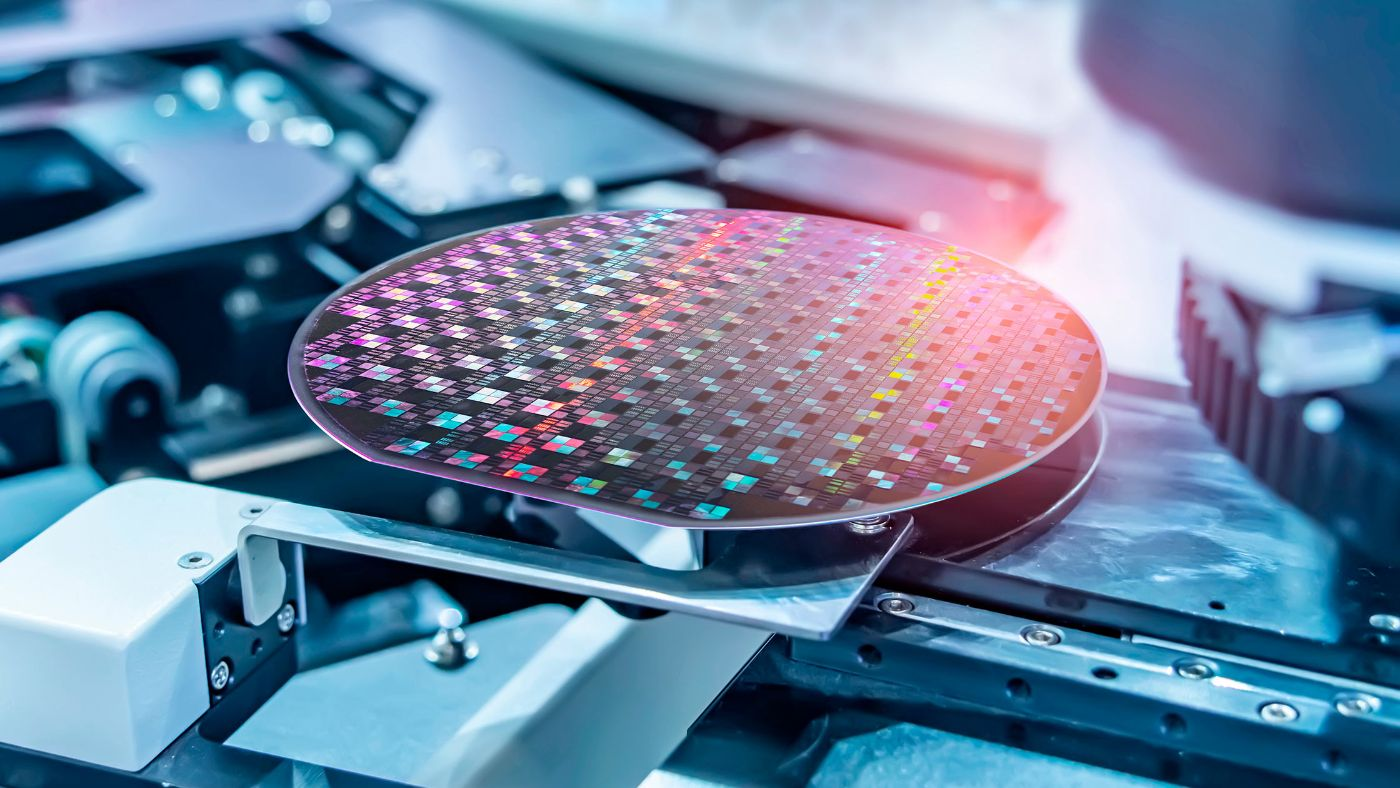
If you’re still using forced air convection for semiconductor processing, you’re basically spending half your day just waiting. Think about how it works. You’re heating up the air, and then you’re waiting for that air to heat up your substrate. It’s a slow process with a lot of lag during every single ramp-up and cool-down. IR lamps change the math. They skip the middleman entirely. Instead of warming up the room, they shoot electromagnetic radiation straight into the target. It’s fast. Really fast. We’re talking about ramp-up times that drop from minutes to seconds. When you’re running a high-volume line, those saved seconds add up. You move more wafers through the shift, and your workflow actually feels fluid for once. But there’s a catch with standard shortwave lamps. They often put out radiation around 185nm, which messes with oxygen molecules and creates ozone. In a cleanroom, ozone is a nightmare. It eats away at surfaces and ruins sensitive parts. That’s where ozone-free lamps come in. By using modified filaments or specific quartz filters, we block those nasty wavelengths. You get all the heat you need, but none of the chemical baggage. Plus, you can stop spending a fortune on exhaust scrubbers just to keep the air breathable. Now, I’ll be honest: IR isn’t a “magic button.” Because it’s directional, it doesn’t wrap around your parts like air does. If your part has a weird shape, you’re going to end up with cold spots. You can’t just toss these lamps into an old convection box and hope for the best. You have to get the lamp array and reflector angles exactly right. If your focal point is off, your heating will be uneven. The footprint of your setup will be smaller and your speed will be way higher, but you’ve got to be precise with the layout. Get that right, and you’re golden.