Stop Worrying About Your IR Lamps Blowing Up
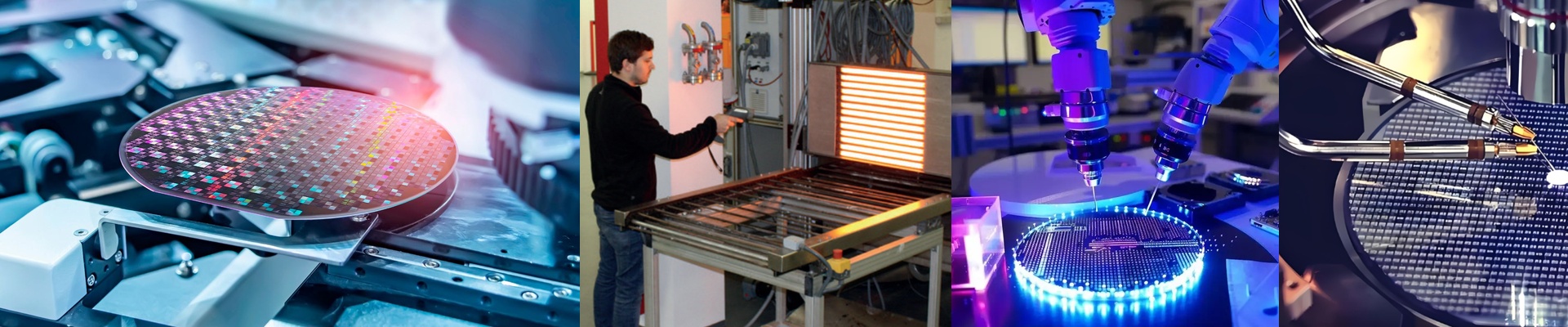
In a high-load fab, a burst infrared lamp is more than just a headache. It’s a nightmare. One pop and you’ve got glass shards and halogen gas everywhere. Suddenly, an entire batch of silicon is scrap, and you’re spending your weekend cleaning up the mess. We built our clean room bench lamps to make sure that never happens. Keeping the mess inside Here is how we handle it: we wrap the quartz tubes in either a high-purity quartz sleeve or a special shatter-proof coating. Think of it as a safety net. If the inner filament gives out or the tube cracks from thermal shock, the outer layer catches everything. You won’t have glass raining down on your wafers. Now, you might notice a tiny dip in raw heat transfer because of that extra layer, but honestly? It’s a trade-off worth making for the peace of mind. Dealing with the heat Most tubes explode because of “hot spots” or random voltage spikes. To fix this, we use precision electrodes that spread the current evenly across the filament. No more localized overheating. But we can only do so much on our end. You’ll want to pair these lamps with a stable PID controller. If your power supply is jumping all over the place, the quartz takes the hit, and your lamps are going to burn out way faster than they should. Getting it installed right We use standard connectors so everything fits tight. This stops electrical arcing at the terminals, which is just one less thing to worry about. One quick tip: when you’re wiring these in,be gentle. Make sure your supports aren’t pinching the quartz. Any little pressure point becomes a disaster waiting to happen once things get hot. Also, these lamps put out a lot of heat. Just double-check that your bench cooling can keep up, otherwise, you might find your housing starting to warp.