Why we use explosion-proof quartz glass in bathroom heaters
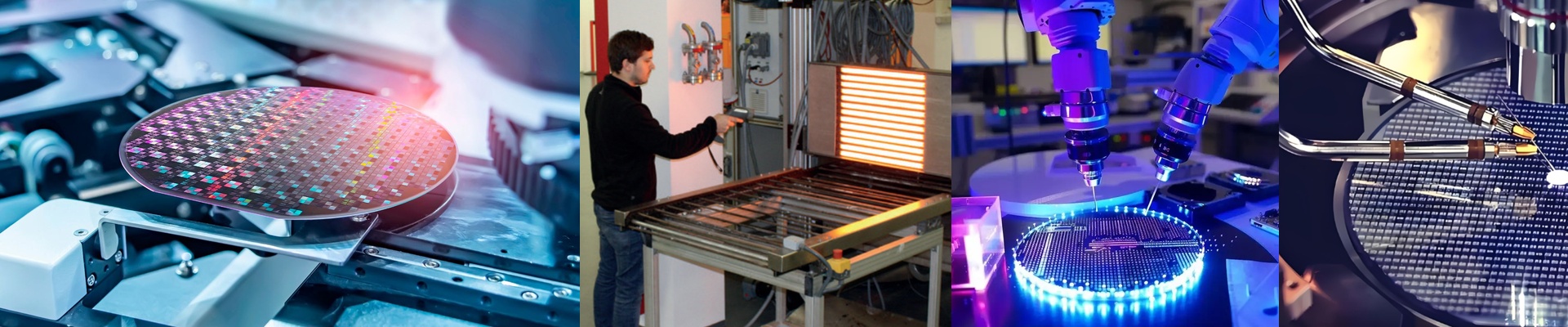
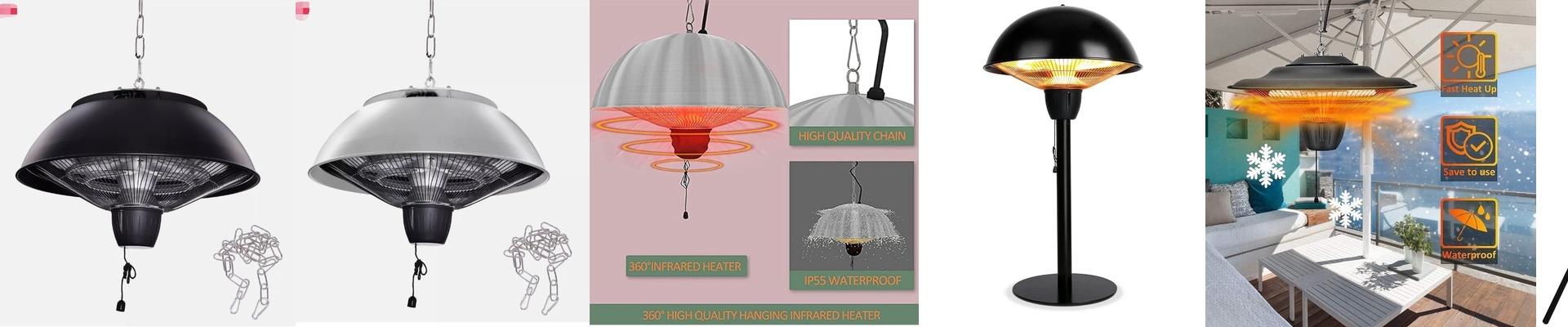
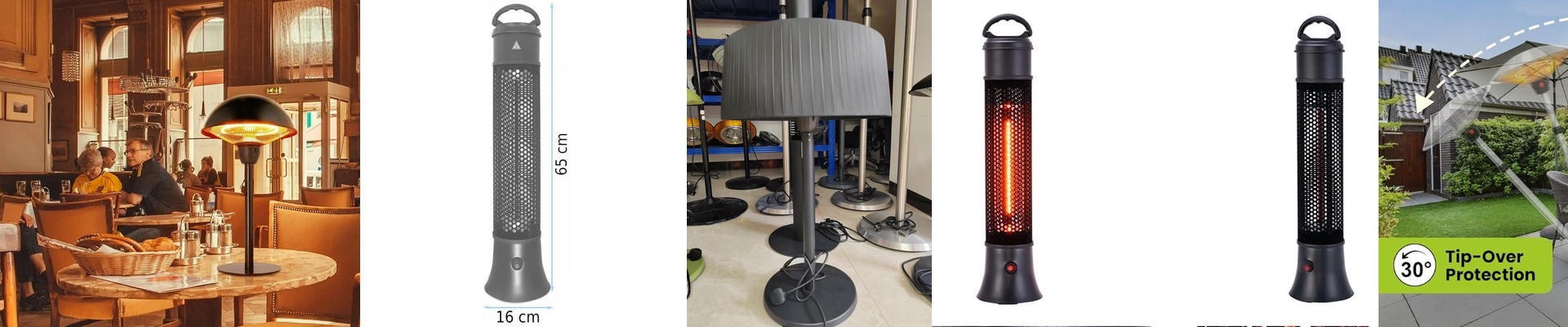
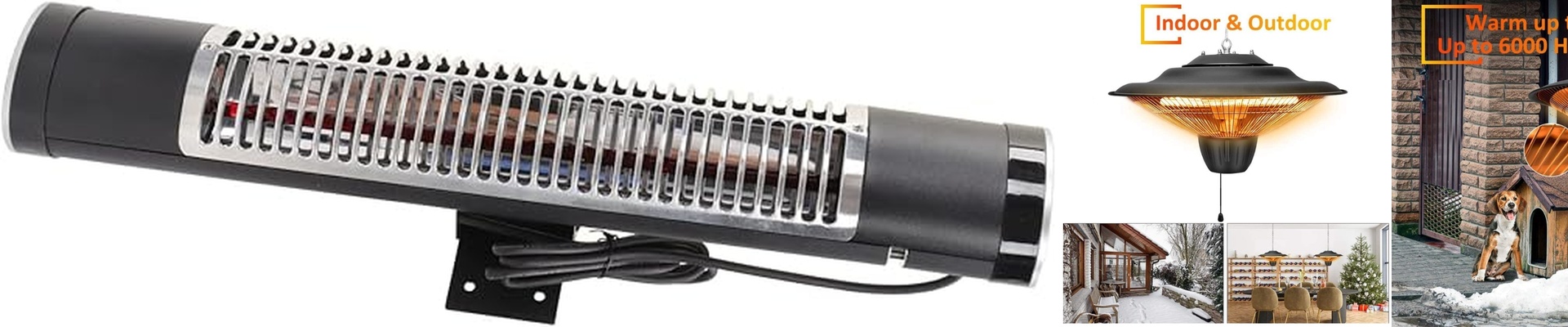
Bathrooms are a nightmare for electronics. You’ve got thick steam, wild temperature swings, and water splashing everywhere. In a place like that, a regular quartz heating element is basically a ticking time bomb. That’s why we stick with explosion-proof quartz glass. It’s the only way to make sure the tube doesn’t shatter the second a stray drop of cold water hits a red-hot surface. The “Thermal Shock” problem Here’s the thing about quartz: it’s great for infrared lamps because it handles heat like a pro. But it has a huge weakness. Imagine a lamp glowing at 800°C. Now imagine a single drop of water hitting it. The glass shrinks instantly in that one tiny spot, and the stress is violent. Standard glass just gives up and cracks. Our explosion-proof tubes are different. We’ve tweaked the chemistry and the way they’re tempered so they can soak up that energy without snapping. What’s actually inside? We use high-purity synthetic quartz, but we make the walls thicker. This helps the lamp handle the pressure of the halogen gas inside and the moisture hitting it from the outside. You’ll usually see these tucked into mirror heaters where space is tight. Because the heat is so concentrated, these things get hot in seconds. No waiting around in a cold bathroom. We also put reinforced seals on the end caps. If even a tiny bit of moisture creeps into the filament chamber, the whole thing burns out instantly. These seals keep the “bad stuff” out. A few tips for installation Most of these are simple drop-in replacements for R7s bases. They give you that immediate, radiating warmth—which is honestly the only way to survive a drafty bathroom in the winter. But a heads-up: this glass is heavier than the thin stuff. It also expands differently when it gets hot. **Make sure your fixture clips are tight.**If the tube shifts while it’s heating up, you could put too much stress on the connectors and break something. Also, give the mirror housing some room to breathe. If the heat can’t vent, it just builds up around the frame.